Free Workshop
Opinion Essays
Creative Pieces
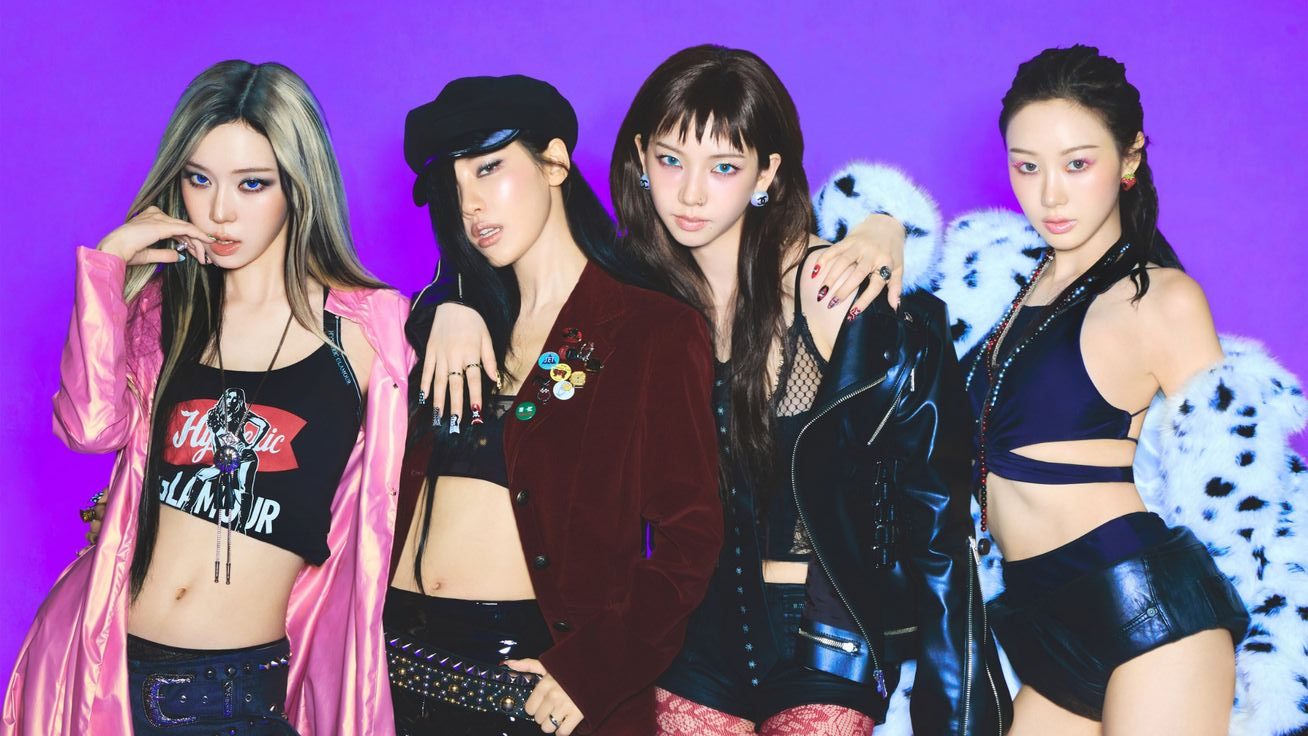
HALAZIA: The Light That Remembers Us
The world of HALAZIA begins in a breathless hush, as if someone has pressed a hand over the sky’s mouth. Dust hangs in the air like suspended time. The city is not dead, but it has forgotten how to feel. In this muted landscape, ATEEZ move like silhouettes searching for the memory of warmth—figures who refuse to let the world’s numbness become their own.
There is a moment, early on, when a thin beam of light cuts through the darkness. It is small, almost fragile, but the members turn toward it instinctively. This is the first truth of HALAZIA: light is not a destination; it is a calling. A whisper that says, remember who you were before the silence.
The song’s invocation—Halazia—functions like a name spoken into a void. Not a deity, not a savior, but a force that awakens dormant emotion. ATEEZ do not ask for rescue. They ask for illumination, for the courage to feel again in a world that punishes feeling. The plea becomes a pulse, a heartbeat returning to a body that had forgotten its rhythm.
In the MV, the scarecrow burns. Its mask—HALATEEZ’s mask—crumples in the flames, a symbol of a revolution that once was and must now be reborn. The fire is not destruction; it is inheritance. ATEEZ stand before it not as mourners but as successors. Rebellion, in their universe, is a generational flame. Someone must carry it forward.
And then there is the blue bird—small, voiceless, trembling. It appears in the lyrics like a lost fragment of self, a desire muted by fear or oppression. Yet even without a voice, it becomes the catalyst for awakening. The bird is the part of us that refuses to die quietly. The part that insists on singing again, even if the world has forgotten the melody.
By the final chorus, the darkness has not vanished. The world is still cracked, still cold, still aching. But ATEEZ stand illuminated—not by a sun, but by conviction. HALAZIA becomes a ritual of remembrance: a promise that even in the deepest silence, someone will keep calling the light back.
Because hope, like revolution, survives through those who refuse to stop reaching for it.
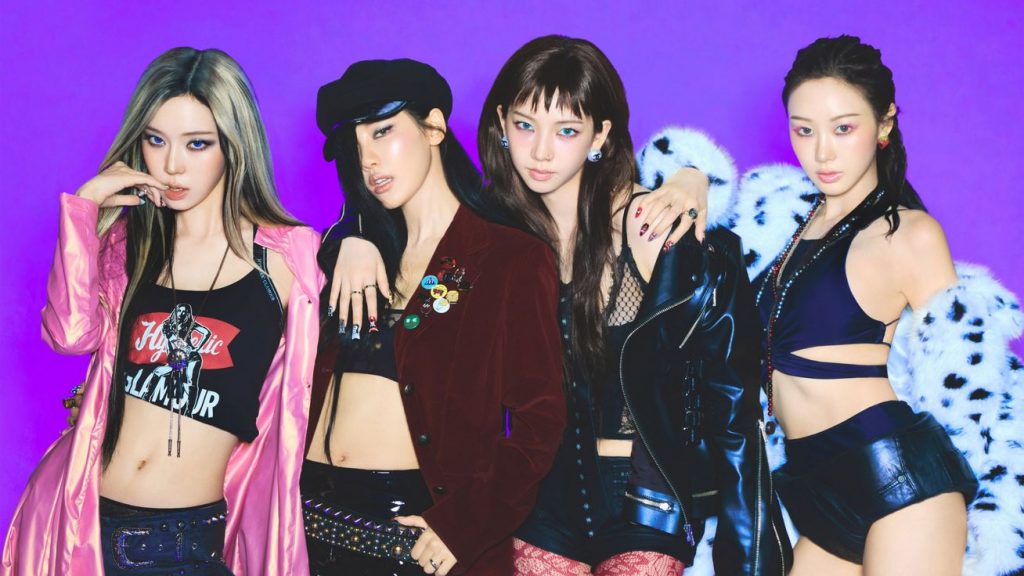
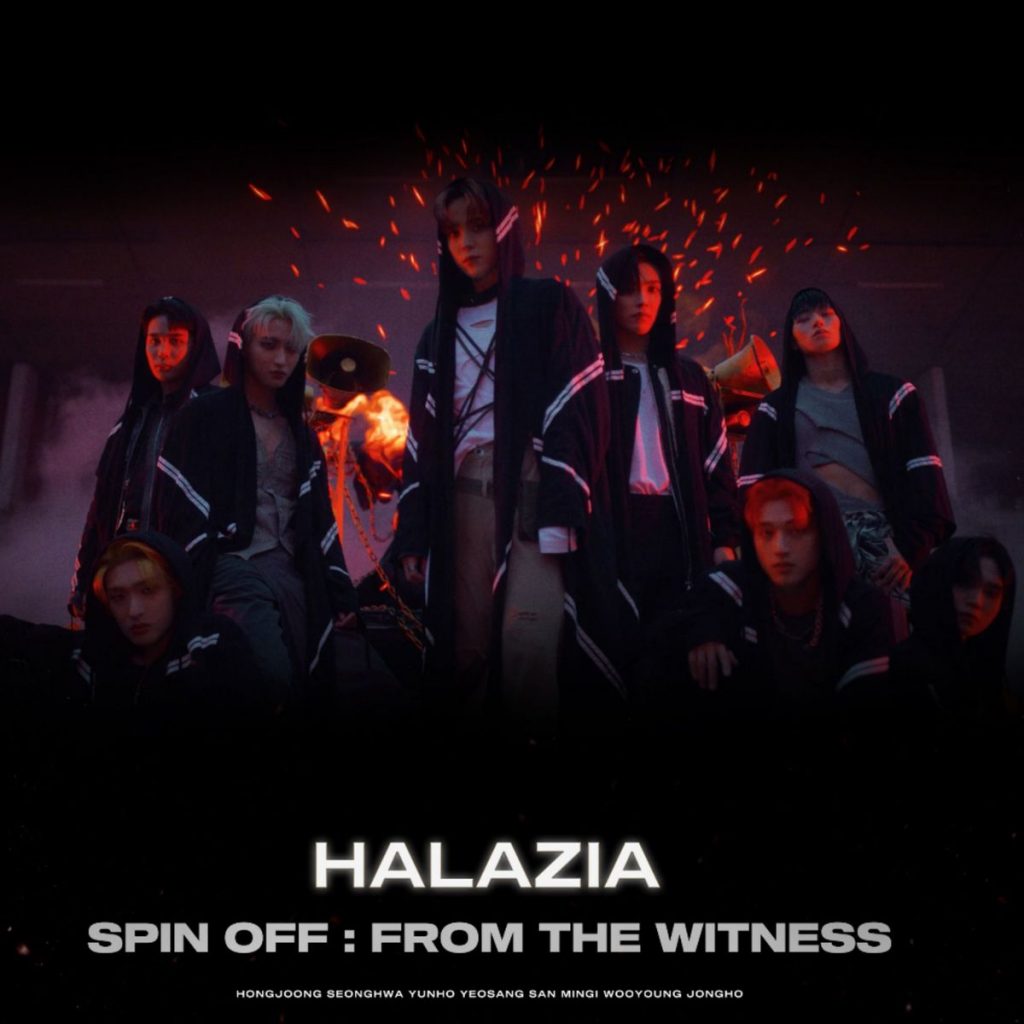
Aespa: The Girls Who Walk the Edge of the Real
There is a moment in every aespa visual era where the frame feels like it’s about to split — as if reality is a thin sheet of glass and the girls are pressing against it from both sides. Their world is never stable; it flickers, glitches, breathes. And yet, inside that instability, aespa finds a strange kind of power.
In Drama, the city feels too sharp, too neon, too aware of itself. Karina walks like she’s carrying a secret voltage. Winter’s gaze is a mirror that reflects back more than you expect. Giselle moves with the confidence of someone who has already rewritten the script. Ningning glows like she’s lit from inside the code. They aren’t characters in a cyberpunk story — they’re the authors.
The creative tension of aespa is this: What does it mean to be real when your reflection has its own agency?
Their choreography answers with angles that slice the air, bodies that glitch into new shapes, and formations that feel like system errors turned into art. Their styling blends chrome, latex, and soft pastels — a contradiction that shouldn’t work but does, because aespa thrives in contradictions.
And beneath the spectacle, there’s always a quiet emotional core: the loneliness of being hyper‑visible, the thrill of self‑reinvention, the fear of losing yourself in the persona you created.
Aespa’s world is not about escaping reality. It’s about confronting the truth that every version of you is real — even the ones you invent to survive.
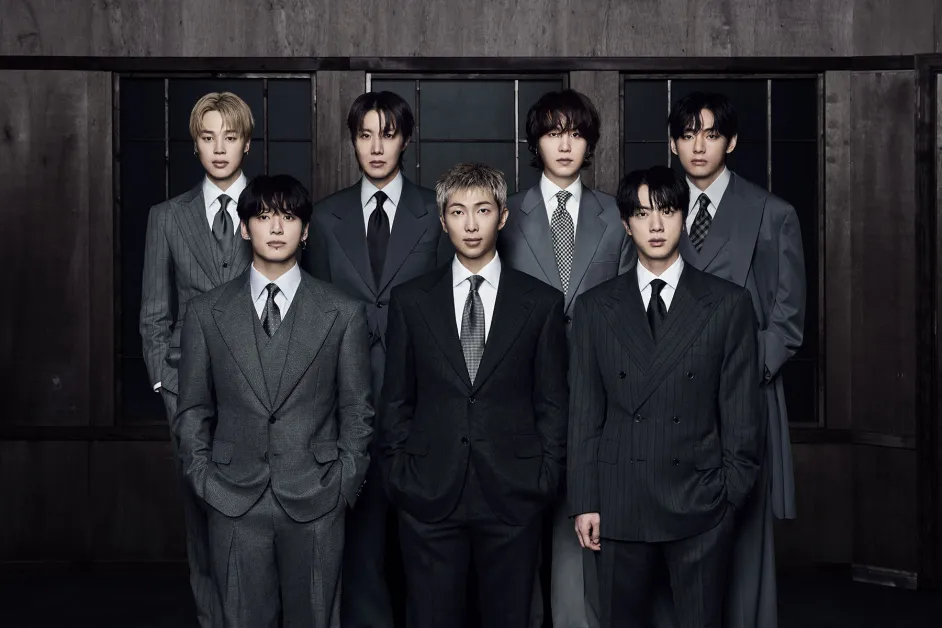
The Purple Mythology: How BTS Built a Color Into a Promise
Purple is not a color in BTS’s universe. It’s a language. A vow. A mythology constructed slowly, gesture by gesture, until it became a cultural symbol recognized across continents.
The brilliance of BTS’s purple is that it carries contradiction: softness and strength, longing and loyalty, distance and devotion. It is the color of dusk — the moment when day and night negotiate their boundaries. BTS live in that liminal space, where vulnerability becomes a form of power.
Visually, purple threads through their eras like a pulse: the cosmic hues of Love Yourself, the bruised twilight of Proof, the galaxy‑soft gradients of their solo work. It’s a palette that holds memory without becoming nostalgic, a color that feels like a hand reaching back even when the world feels impossibly far.