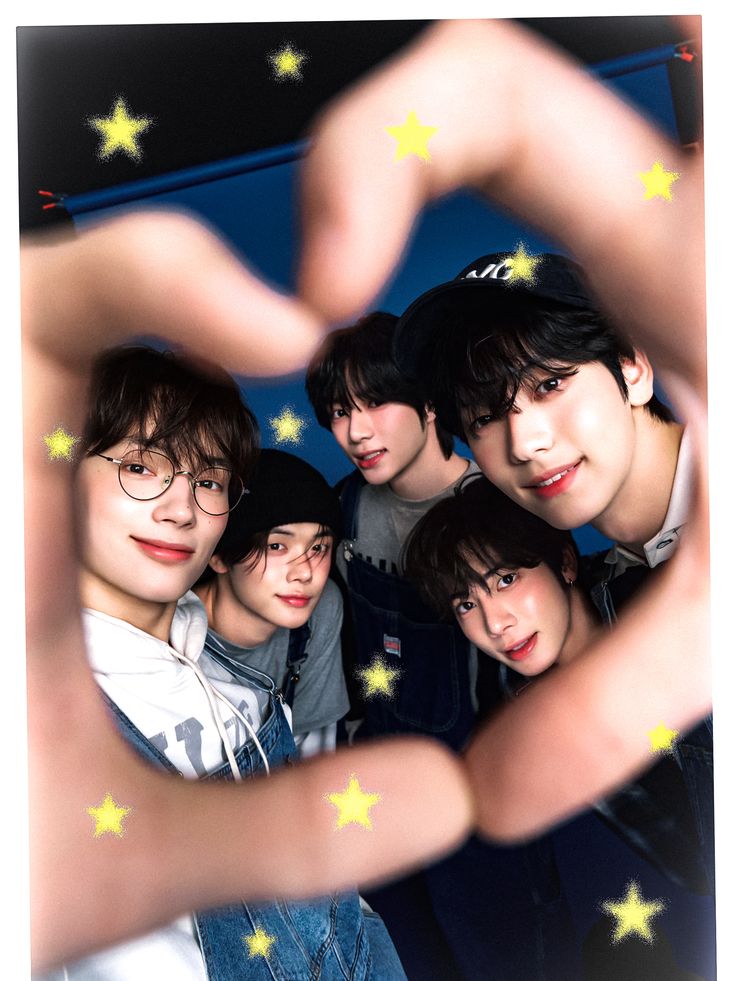
SPOTLIGHT: TXT — The Art of Growing Up Twice
TXT’s world is built on the quiet violence of growing up — not the first time, when you’re young and everything feels too big, but the second time, when you realize you’re still carrying the ghosts of who you used to be. Their music and visuals orbit this tension: innocence that refuses to stay innocent, darkness that refuses to stay dark.
Their signature palette — cotton‑candy blues, neon greens, bruised purples — mirrors this emotional duality. TXT never chooses between softness and chaos; they let them coexist. In one era, they’re running through pastel dreamscapes (Blue Hour). In the next, they’re clawing their way through emotional wreckage (0X1=LOVESONG, Good Boy Gone Bad). The shift isn’t contradiction — it’s continuity. It’s the truth of adolescence stretched into early adulthood.
What makes TXT distinct is their narrative sincerity. They don’t posture. They confess. They unravel. They rebuild. Their storytelling treats vulnerability as a world‑building tool, turning every comeback into another chapter of a long, aching Bildungsroman.
TXT remind us that growing up isn’t linear. It loops. It fractures. It glows. And sometimes, it sings.
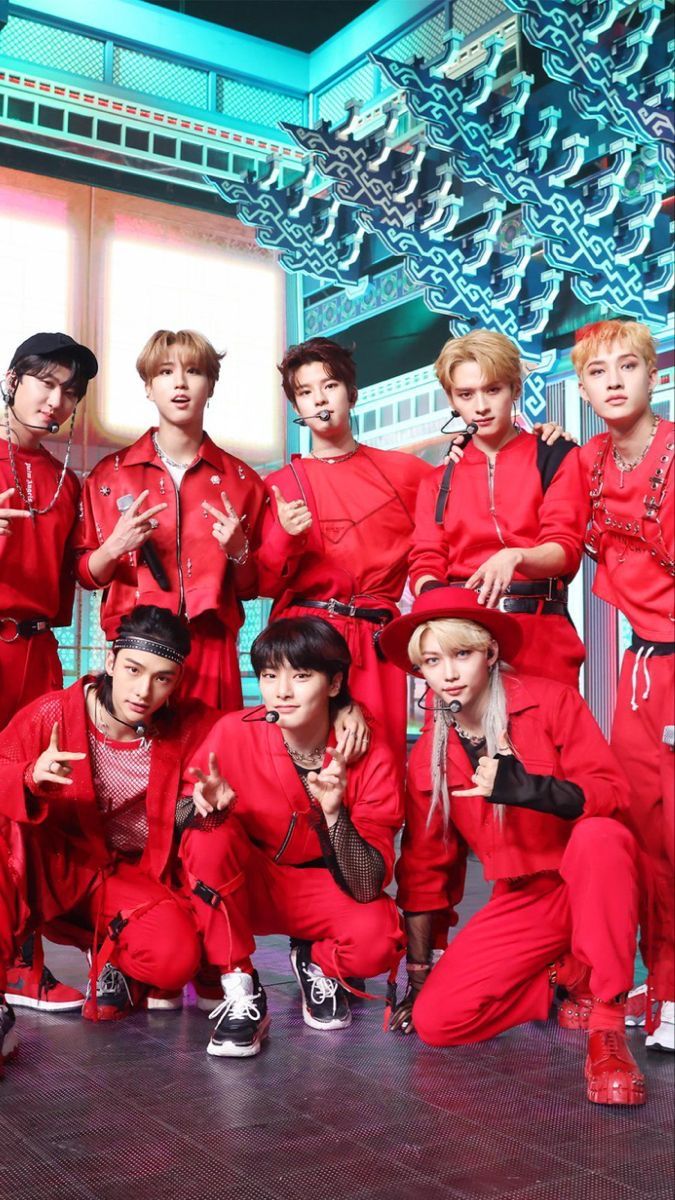
SPOTLIGHT: Stray Kids — Chaos as Creative Control
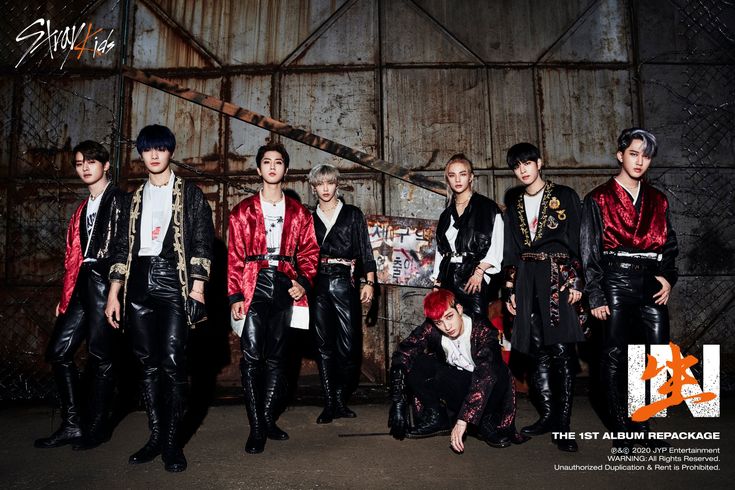
Stray Kids don’t perform chaos — they design it. Their visual identity is built on the tension between noise and intention, a world where distortion becomes clarity and disorder becomes authorship. In an industry that often polishes everything to a mirror shine, Stray Kids lean into the grit: metal textures, glitch overlays, industrial palettes, and choreography that hits like machinery waking up.
What makes their chaos compelling is that it’s never random. It’s engineered. 3RACHA’s production style mirrors the visuals: jagged synths, percussive explosions, sudden drops that feel like the floor giving way beneath you. Their universe is a factory of emotion — loud, raw, unfiltered — but every bolt is placed with purpose.
Visually, Stray Kids thrive in liminal spaces: abandoned warehouses, neon‑lit alleys, fractured reflections. These aren’t backdrops; they’re metaphors for identity under pressure. The members move through them like sparks searching for ignition.
Stray Kids remind us that chaos isn’t the absence of control. It’s the refusal to be contained
BTS — The Architecture of Return
BTS have always treated identity as something built, broken, and rebuilt again — but their post‑hiatus era sharpens that architecture into something almost monumental. Their story is no longer just about ascent; it’s about return, and what it means to step back into a world that has changed while you were gone.
Visually, BTS have mastered the language of transformation: the soft‑focus warmth of Spring Day, the mythic golds of ON, the stark monochromes of their solo eras. Each aesthetic shift isn’t a rebrand — it’s a record of who they were at that moment. Their universe is a living archive.
What makes BTS singular is their ability to turn vulnerability into scale. Their music doesn’t just confess; it constructs. It builds bridges between personal memory and collective emotion, between the individual and the myth. Even in silence, their presence feels architectural — something you can walk through, inhabit, return to.
As they move toward their next chapter, BTS aren’t simply coming back. They’re re-entering the world as architects of their own legacy, ready to carve new shapes into the cultural landscape.
BTS remind us that return is not repetition. It’s reinvention with memory.